
Why Is My Slow Cooker Food Watery
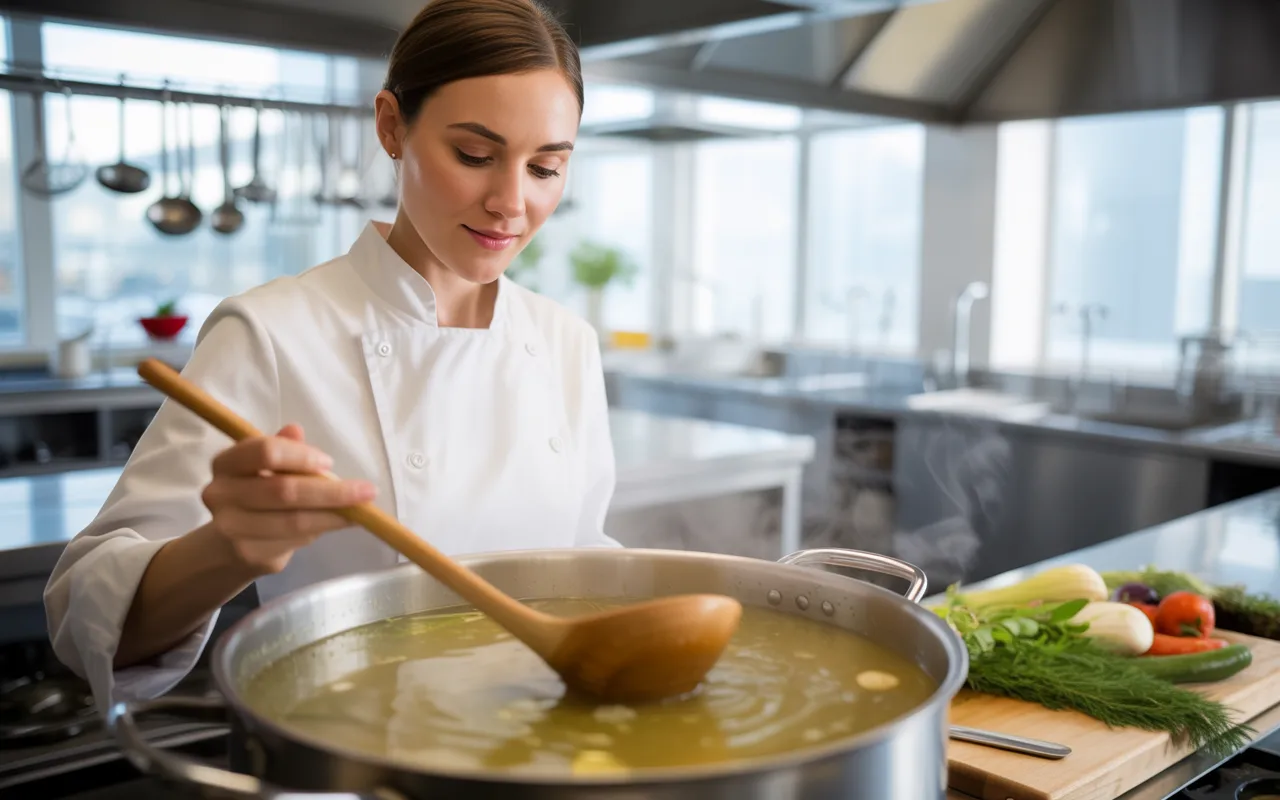
If you’re wondering Why Is My Slow Cooker Food Watery, this guide explains common reasons and simple solutions to fix watery meals easily.
Slow cookers are beloved kitchen appliances because they allow you to prepare hearty, flavorful meals without constant supervision. However, one frustrating problem many home cooks face is watery food. You might follow a recipe to the letter, only to find that the final dish has too much liquid, diluting flavors and creating an unsatisfying texture.
If you’ve ever asked, “Why is my slow cooker food watery?” you’re not alone. This article explores the most common reasons this happens and offers practical tips to prevent watery meals in the future.
Common Reasons Your Slow Cooker Food Is Watery
Several factors contribute to watery slow cooker meals. Identifying these causes can help you adjust your cooking habits and enjoy perfect textures every time.
1. Using Too Much Liquid
Slow cookers rely on moisture to cook food evenly, but many people add more liquid than necessary. Unlike stovetop cooking, slow cookers trap steam, which condenses and returns to the dish.
Tip: Use the minimum liquid recommended in recipes and adjust as needed.
2. Lifting the Lid Frequently
Every time you lift the lid, steam escapes, and you might compensate by adding more water. This leads to extra liquid in your dish.
Quote: “Patience is key when using a slow cooker. The lid should stay on to lock in flavors and moisture.” – Sarah Johnson
3. Low-Quality or Watery Ingredients
Some vegetables release a lot of water as they cook. For example, zucchini, mushrooms, and tomatoes can add unintended liquid to the dish.
Tip: Consider lightly sautéing or draining vegetables before adding them to the slow cooker.
4. Incorrect Cooking Temperature
Cooking on low heat for too long can sometimes prevent liquids from evaporating, leaving your food watery. Conversely, very high heat might break down ingredients too quickly, releasing extra moisture.
Tip: Follow the recommended cooking temperature and time for your recipe.
5. Thickening Agents Not Used
Soups, stews, and sauces often require thickening agents like flour, cornstarch, or reduction. Without these, the final dish can be runny.
How to Fix Watery Slow Cooker Food
Even if your dish turns out watery, there are ways to salvage it.
1. Reduce the Liquid
Remove the lid during the last 30 minutes of cooking to let excess liquid evaporate. This method works well for stews and soups.
2. Add a Thickening Agent
Mix a tablespoon of cornstarch or flour with cold water and stir it into the slow cooker. Cook for an additional 10–15 minutes to thicken the sauce.
3. Strain Excess Liquid
For dishes like chili or stew, carefully remove the liquid and simmer it separately on the stovetop until it reaches your desired consistency.
4. Adjust Ingredients
If your recipe includes watery vegetables, try sautéing or roasting them before adding them to the slow cooker. Meat that releases excess liquid can be browned beforehand.
Quote: “A little prep work before slow cooking can make a huge difference in flavor and consistency.” – Michael Green
Common Ingredients That Add Extra Water
| Ingredient | Water Release Potential | Tip to Reduce Water |
|---|---|---|
| Zucchini | High | Sauté or drain |
| Mushrooms | High | Sauté |
| Tomatoes | Medium-High | Drain excess liquid |
| Cabbage | Medium | Chop finely and drain |
| Frozen Vegetables | Medium | Thaw before cooking |
Best Practices to Prevent Watery Food
To avoid watery meals in the first place, consider these practices.
1. Measure Liquids Carefully
Always follow the liquid measurement guidelines in your recipe. Remember, slow cookers don’t require as much water as stovetop cooking.
2. Avoid Frequent Lid Lifting
Resist the temptation to peek. Each time you lift the lid, you lose heat and moisture, which can result in watery food.
3. Use Thickening Ingredients Early
For recipes that need a thicker consistency, add flour or cornstarch near the beginning. Alternatively, reduce liquid beforehand on the stovetop.
4. Cook on the Right Heat Setting
High and low heat settings are designed for specific cooking times. Using the wrong setting can impact texture and liquid content.
5. Select Ingredients Wisely
Some foods naturally release more water. Consider sautéing or pre-cooking vegetables and meats that are very watery.
Recommended Liquid Amounts for Common Slow Cooker Dishes
| Dish Type | Typical Liquid Amount | Notes |
|---|---|---|
| Stew | 1 to 1.5 cups | Lid stays on to prevent excess evaporation |
| Chili | 1 to 1.25 cups | Can thicken with cornstarch later |
| Soup | 2 to 3 cups | Stir occasionally near end for consistency |
| Casserole | 1 cup | Ingredients release water, avoid adding more |
| Curry | 1 to 1.5 cups | Reduce on stovetop if too watery |
Slow Cooker Tips from Experienced Cooks
1. Use a Quality Slow Cooker
Investing in a reliable slow cooker with accurate temperature settings can reduce watery food issues. Some low-quality models heat unevenly, causing ingredients to release excess water.
2. Layer Ingredients Strategically
Place dense, water-resistant ingredients like root vegetables at the bottom. Softer vegetables go on top. This prevents excess moisture accumulation at the bottom.
3. Finish on Stovetop if Needed
If the dish is still watery, transfer it to a pan on the stove and simmer until the liquid reduces.
Quote: “Even the best slow cooker meals sometimes need a little finishing touch on the stove for perfect texture.” – Emily Carter
Frequently Asked Questions
Q1: Why does my slow cooker soup always end up watery?
Slow cooker soup can become watery due to too much added liquid, watery vegetables, or frequent lid lifting. Try using less liquid and simmering uncovered for the last 30 minutes.
Q2: Can I fix a watery slow cooker stew?
Yes, add a thickening agent like cornstarch mixed with cold water or simmer uncovered to reduce liquid.
Q3: How much liquid should I use in a slow cooker?
Most slow cooker recipes require 1 to 3 cups of liquid depending on the dish. Less is often better than more because slow cookers retain moisture.
Q4: Does the type of slow cooker matter?
Yes, some slow cookers heat unevenly or are not insulated well, which can cause excess liquid or uneven cooking. A high-quality model is preferable.
Q5: Can I prevent watery food by sautéing ingredients first?
Absolutely. Sautéing or roasting vegetables and browning meat removes excess water and enhances flavor.
Conclusion
Watery slow cooker meals are a common problem, but they can be easily managed with a few adjustments. Understanding why this happens is the first step to fixing it. Use the right amount of liquid, avoid lifting the lid unnecessarily, prepare ingredients to minimize water content, and consider thickening techniques when needed.
Related posts
 Which kitchen gadgets save the most time
If you are wondering Which kitchen gadgets save the most time, the clear answer includes food processors, air fryers, pressure cookers, electric kettles, and dishwashers that…
 What kitchen tools do professional chefs use at home
Many home cooks ask what kitchen tools do professional chefs use at home, and the answer is simple: sharp chef’s knives, cast iron pans, stainless steel…
 Biolomix Kitchen Food Stand Mixer
Looking for a reliable mixer for daily baking? The Biolomix Kitchen Food Stand Mixer offers strong mixing, multiple speed levels, and easy cleaning, making it a…