
What Is The Purpose Of A Baking Stone
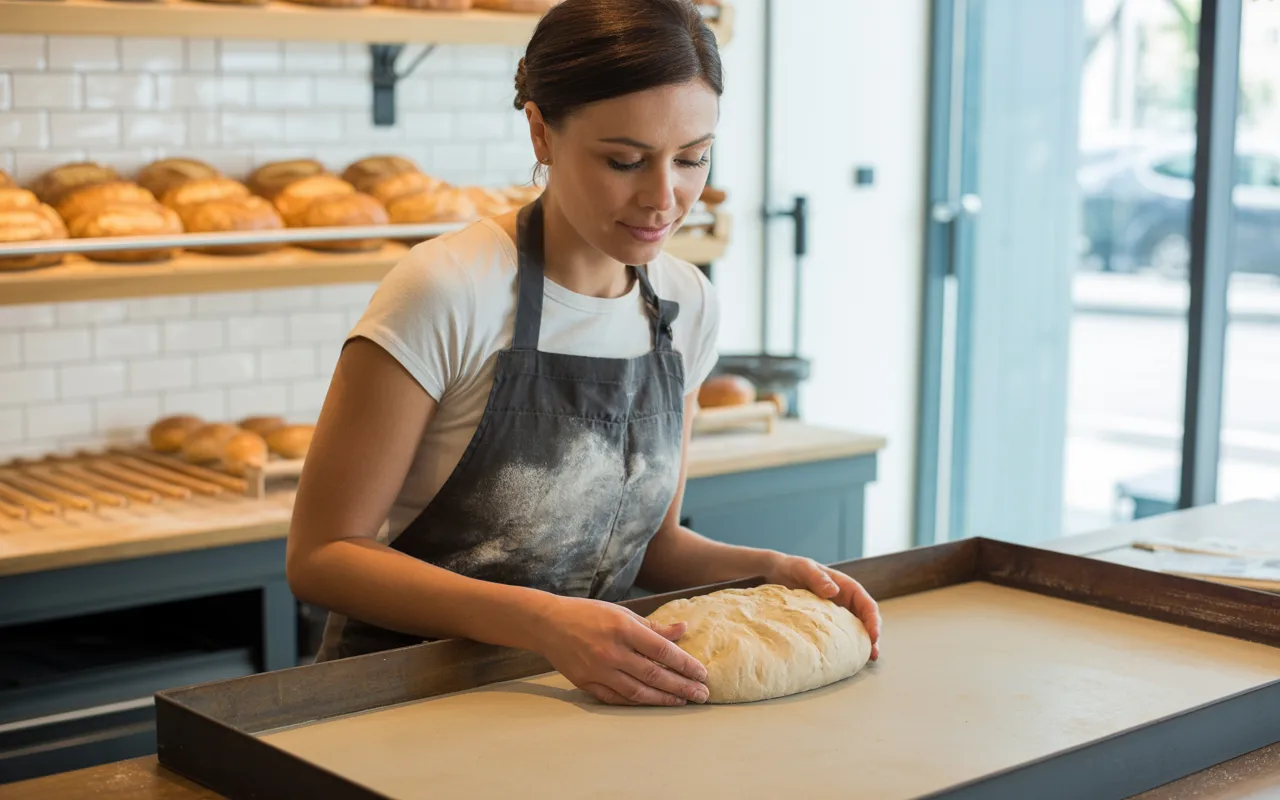
Learn what is the purpose of a baking stone and how it can improve your baking results, making your bread, pizza, and pastries perfectly cooked.
Baking at home can be a delightful experience, especially when you have the right tools. One such essential tool that often gets overlooked is the baking stone. If you have ever wondered, “What is the purpose of a baking stone?” you are in the right place. In this guide, we will explore everything about baking stones, including their uses, benefits, types, care tips, and frequently asked questions. By the end, you will understand why this simple tool can make a noticeable difference in your baking.
What Is A Baking Stone?
A baking stone, also called a pizza stone, is a flat, usually rectangular or round, stone or ceramic slab used in ovens. Its primary function is to mimic the effect of baking in a traditional brick oven. Baking stones absorb and retain heat, providing consistent high heat that helps food cook evenly. They are most commonly used for baking bread, pizza, and pastries, but their uses extend to many other baked dishes.
Unlike regular baking sheets, a baking stone distributes heat uniformly. This ensures that the food cooks evenly, producing a golden-brown crust without burning the bottom. The stone’s porous surface also absorbs moisture from dough, which is especially important for bread and pizza, giving a crisp, bakery-quality crust.
“The secret to perfect bread lies in heat distribution, and a baking stone is the key.” – Clara Weston, Home Baker

The Purpose Of A Baking Stone Explained
When people ask, “What is the purpose of a baking stone?” they usually want to know how it improves their baking. Here are the main purposes:
1. Heat Retention
Baking stones retain heat much better than metal trays. When placed in a preheated oven, they provide a steady heat source. This steady heat ensures that baked goods cook evenly from the bottom up.
Crispy Crusts
The porous nature of baking stones allows moisture to escape from dough, resulting in a crunchy crust. This is why pizza and artisan bread baked on stones often taste better than those baked on regular sheets.
Even Cooking
Because baking stones distribute heat evenly, you are less likely to have burnt or undercooked spots on your food. This is particularly important for recipes that require long baking times.
Mimicking Brick Ovens
Baking stones replicate the effects of a brick oven, which professional bakers use for perfect pizzas and bread. This makes them ideal for home bakers who want professional-quality results.
Types of Baking Stones
Baking stones come in different materials, each with specific benefits. Choosing the right type depends on what you plan to bake.
| Type | Characteristics | Best For |
|---|---|---|
| Ceramic | Smooth surface, heats evenly | Bread, pastries, cookies |
| Cordierite | Durable, resistant to thermal shock | Pizza, flatbreads |
| Soapstone | Retains heat for long periods | Artisan bread, pizza |
| Cast Iron | Heavy, excellent heat distribution | Meat, pizza, bread |
Each type has unique features. For example, cordierite stones can handle higher temperatures without cracking, making them ideal for homemade pizzas. Ceramic stones, on the other hand, are perfect for delicate pastries and cookies.
How To Use A Baking Stone
Using a baking stone correctly is essential to get the best results. Follow these steps for optimal baking:
-
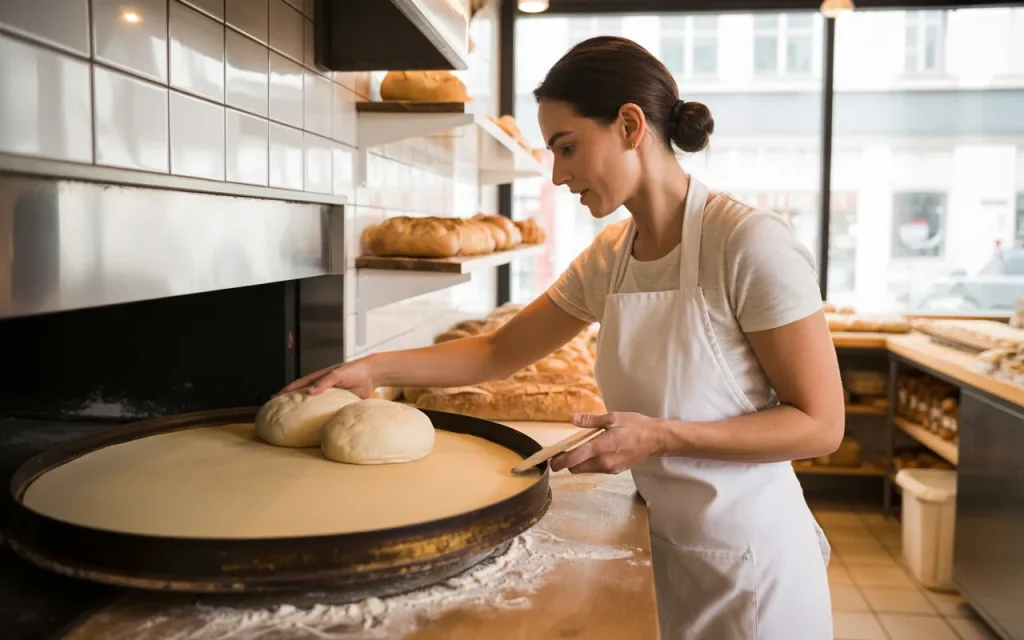
Preheat Your Oven: Place the stone in the oven while it preheats. A preheated stone ensures even cooking from the start.
-
Use a Pizza Peel or Parchment Paper: Avoid placing dough directly with your hands. A pizza peel or parchment paper prevents sticking.
-
Avoid Sudden Temperature Changes: Never place a cold stone into a hot oven or immerse a hot stone in water. This can cause cracking.
-
Bake on the Stone: Place your dough or pizza on the stone, and bake until done.
-
Let the Stone Cool Naturally: After baking, let the stone cool in the oven to avoid thermal shock.
“A baking stone is like a silent partner in your kitchen; it works without complaints, but its effect is unmistakable.” – Jason Harper, Culinary Enthusiast
Benefits of Using a Baking Stone
Using a baking stone offers several advantages that enhance the quality of your baked goods. Here are the primary benefits:
Improved Crust Quality
As mentioned earlier, the stone absorbs moisture and promotes browning, giving bread and pizza a professional-quality crust.
Even Heat Distribution
Unlike metal pans, stones spread heat evenly across the base. This prevents hot spots that can burn the bottom of your baked goods.
Faster Baking
Because the stone retains heat, it speeds up the cooking process. You may notice a slightly shorter baking time compared to regular trays.
Versatility
Baking stones are not just for pizza. They can be used for cookies, pastries, flatbreads, and even roasting vegetables or meat.
Durable and Long-lasting
With proper care, a baking stone can last for decades, making it a valuable addition to any kitchen.
Tips for Caring for Your Baking Stone
Maintaining a baking stone properly ensures it lasts longer and continues to perform well. Here are some tips:
-
Avoid Soap: Do not clean with soap as the stone can absorb it, affecting flavors. Use warm water and a brush instead.
-
Scrape Off Residue: Remove stuck-on food with a plastic spatula or scraper.
-
Dry Thoroughly: Make sure the stone is completely dry before storing.
-
Avoid Extreme Temperature Changes: Sudden changes can crack the stone.
-
Use Cornmeal or Flour: Sprinkling a small amount of cornmeal or flour prevents dough from sticking.
Common Mistakes to Avoid
Even experienced bakers can make mistakes when using a baking stone. Here are some common pitfalls:
-
Placing a Cold Stone in a Hot Oven: This can crack the stone.
-
Cleaning with Soap: Soap can be absorbed by the stone and affect food taste.
-
Dropping the Stone: It is heavy and brittle; dropping can easily break it.
-
Using Metal Utensils: Metal can scratch or damage the surface. Use wooden or silicone tools.
| Mistake | How to Avoid |
|---|---|
| Cracking | Preheat stone with oven |
| Food sticking | Use parchment paper or cornmeal |
| Soap residue | Clean with water and brush only |
| Scratches | Use non-metal utensils |

Frequently Asked Questions About Baking Stones
1. Do I need a baking stone for pizza?
While not strictly necessary, a baking stone significantly improves crust quality and cooks pizza evenly. It is highly recommended for homemade pizza enthusiasts.
2. Can I use a baking stone in a toaster oven?
Yes, as long as the stone fits comfortably and you follow the same preheating and safety instructions.
3. How thick should a baking stone be?
Most baking stones are between 0.5 to 1 inch thick. Thicker stones retain more heat and distribute it evenly, while thinner stones heat up faster.
4. Can I put a cold baking stone into a hot oven?
Never. The stone may crack due to thermal shock.
5. How do I clean a baking stone?
Use warm water and a brush. Avoid soap. Scrape off stuck food with a plastic spatula and let it air dry.
Related Baking Stone Tips
Use a Pizza Peel for Easy Transfer
A pizza peel helps move dough onto the stone without deforming it. Dust it lightly with flour to prevent sticking.
Preheat for at Least 30 Minutes
For best results, preheat your oven with the stone inside for at least 30 minutes. This ensures the stone is thoroughly heated.
Avoid Overcrowding
Give your baked goods space on the stone. Overcrowding can trap moisture, preventing the crust from crisping.
Conclusion
So, what is the purpose of a baking stone? Its primary purpose is to improve heat distribution and provide a crisp, evenly baked crust. By absorbing and radiating heat, it ensures your bread, pizza, and pastries cook evenly while preventing sogginess. A baking stone can elevate home baking, making your results taste like they came from a professional oven.
Related posts
 Which kitchen gadgets save the most time
If you are wondering Which kitchen gadgets save the most time, the clear answer includes food processors, air fryers, pressure cookers, electric kettles, and dishwashers that…
 What kitchen tools do professional chefs use at home
Many home cooks ask what kitchen tools do professional chefs use at home, and the answer is simple: sharp chef’s knives, cast iron pans, stainless steel…
 Biolomix Kitchen Food Stand Mixer
Looking for a reliable mixer for daily baking? The Biolomix Kitchen Food Stand Mixer offers strong mixing, multiple speed levels, and easy cleaning, making it a…