
How To Use An Induction Cooktop

Learn practical and simple tips on How To Use An Induction Cooktop safely and effectively, including settings, compatible cookware, and cleaning methods.
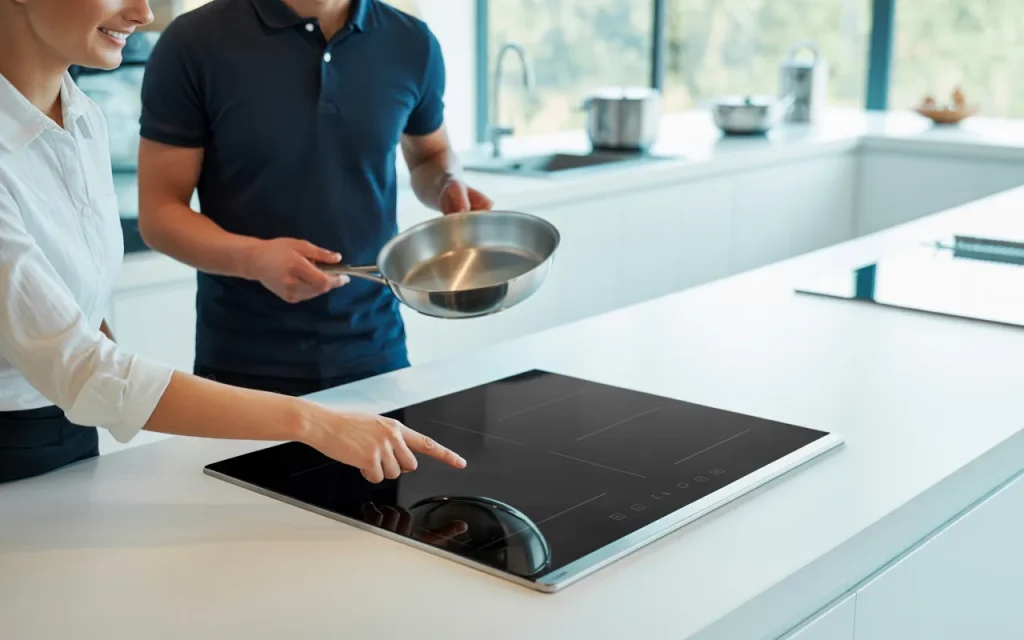
Induction cooktops have become popular in modern kitchens for their speed, safety, and energy efficiency. If you are new to this technology, knowing How To Use An Induction Cooktop correctly can save you time and make your cooking experience smoother. Unlike traditional gas or electric stoves, induction cooktops heat cookware directly through magnetic energy, which results in faster cooking and less wasted energy.
In this article, we will explore step-by-step guidance, tips, and expert advice for using your induction cooktop. You will also learn about compatible cookware, maintenance, and safety precautions to get the most out of your appliance.
Benefits Of Using An Induction Cooktop
Using an induction cooktop has several advantages. Here are some of the main benefits:
-
Fast Heating: Heats food quickly due to direct energy transfer.
-
Energy Efficient: Less energy is wasted compared to gas or electric stoves.
-
Easy Cleaning: The flat surface is simple to wipe down since spills do not burn.
-
Safer Cooking: The cooktop surface remains relatively cool, reducing burn risks.
-
Precise Temperature Control: Allows delicate cooking like melting chocolate or simmering sauces.
Induction cooktops are perfect for both professional chefs and home cooks who value speed, efficiency, and safety.
How Induction Cooking Works
Induction cooktops use magnetic fields to heat only magnetic cookware. A copper coil beneath the surface generates a magnetic field that transfers energy to the pot or pan. The pot itself heats up, not the cooktop. This is why induction requires compatible cookware like stainless steel or cast iron.
“The only real stumbling block is fear of failure. In cooking, you’ve got to have a what-the-hell attitude.” – Julia Child

Step-By-Step Guide On How To Use An Induction Cooktop
Here is a simple guide on How To Use An Induction Cooktop safely and effectively.
Choose The Right Cookware
Induction cooking requires magnetic cookware. Use a magnet to check if the bottom of your pan is compatible. Suitable materials include:
-
Stainless steel (magnetic grade)
-
Cast iron
-
Enamel-coated steel
Avoid copper, glass, aluminum, and non-magnetic stainless steel unless they have a magnetic base.
Cookware Compatibility for Induction Cooktops
| Cookware Type | Works On Induction | Notes |
|---|---|---|
| Cast Iron | Yes | Excellent heat retention |
| Stainless Steel (magnetic) | Yes | Lightweight and durable |
| Copper | No | Needs magnetic base |
| Glass | No | Not magnetic |
| Aluminum | No | Not magnetic |
Place the Cookware Correctly
Always place your pan in the center of the induction zone. The cooktop detects the pot and will not operate if it is too small or off-center. Proper placement ensures even heating.
Turn On and Select Settings
Most induction cooktops have touch controls or knobs. Common settings include:
-
Low (simmering)
-
Medium (general cooking)
-
High (boiling or frying)
Start with low heat when cooking delicate items and adjust as needed. Some models also offer preset cooking modes like boiling water, frying, or simmering.

Adjust Temperature Gradually
Induction cooktops heat quickly, so you often don’t need high settings. Gradually adjust the heat to avoid overcooking. Always monitor your food, especially when searing meat or frying vegetables.
Turn Off And Remove Cookware
Once cooking is finished, turn off the cooktop and remove the pot or pan. Even though the surface stays cooler, it may retain some heat from the cookware. Allow the cooktop to cool before cleaning.
Safety Tips For Induction Cooktops
Even though induction cooktops are safer than gas or electric stoves, it is important to follow safety precautions:
-
Keep metallic objects like spoons and knives away from the cooking surface.
-
Do not use cookware that is warped or too small for the cooking zone.
-
Ensure children cannot operate the cooktop accidentally.
-
Avoid sliding heavy cookware to prevent scratches.
Cleaning And Maintenance
Cleaning an induction cooktop is simple, but you need to take care to avoid damage:
-
Wait until the surface cools.
-
Wipe spills immediately using a damp cloth.
-
Use a non-abrasive cleaner for stubborn stains.
-
Avoid harsh chemicals that can scratch the surface.
Cleaning Tips for Induction Cooktops
| Cleaning Step | Recommended Method | Notes |
|---|---|---|
| Daily Wipe | Damp cloth | Removes minor spills |
| Sticky Spills | Mild dish soap | Avoid abrasive scrubbers |
| Burn Marks | Ceramic cooktop cleaner | Use a soft cloth |
| Polishing | Soft microfiber cloth | Restores shine |
Common Mistakes To Avoid
Even experienced cooks can make mistakes when using induction cooktops. Avoid these common errors:
-
Using incompatible cookware
-
Cooking without properly centering the pan
-
Overheating oil or food due to rapid heating
-
Ignoring cleaning and maintenance guidelines
By avoiding these mistakes, you can extend the lifespan of your cooktop and enjoy consistent cooking results.
Frequently Asked Questions (FAQ)
1. Can I use any pot on an induction cooktop?
No, only magnetic cookware like cast iron and certain stainless steel pans work. Non-magnetic materials like glass or aluminum will not heat.
2. Why is my induction cooktop not working?
Ensure the cookware is compatible, properly centered, and has a flat bottom. Some models also have safety features that prevent operation without a detected pot.
3. Is induction cooking safe?
Yes, induction cooktops are safer than gas stoves because the surface remains cooler and there is no open flame.
4. Can induction cooktops save energy?
Yes, they are more energy-efficient than gas or traditional electric stoves because energy is transferred directly to the cookware.
5. How do I clean burnt food off an induction cooktop?
Use a non-abrasive ceramic cooktop cleaner and a soft cloth. Avoid steel wool or harsh chemicals.
Tips For Efficient Cooking
-
Preheat only when necessary; induction heats quickly.
-
Use cookware with a flat bottom for even heat distribution.
-
Keep the cooking surface dry to ensure accurate sensor detection.
-
Experiment with power settings for different recipes to save time.
Induction cooktops make everyday cooking faster and more controlled. Learning to use them properly ensures better results and enhances kitchen safety.
Conclusion
Using an induction cooktop is simple, safe, and efficient once you understand the basic steps. From choosing compatible cookware to adjusting heat settings, the process is straightforward and suitable for both beginners and seasoned cooks. Remember to clean your cooktop regularly, follow safety precautions, and adjust your cooking technique for the fast, precise heating induction provides. By practicing these tips, you can enjoy the convenience and benefits of modern induction cooking every day.
Related posts
 Which kitchen gadgets save the most time
If you are wondering Which kitchen gadgets save the most time, the clear answer includes food processors, air fryers, pressure cookers, electric kettles, and dishwashers that…
 What kitchen tools do professional chefs use at home
Many home cooks ask what kitchen tools do professional chefs use at home, and the answer is simple: sharp chef’s knives, cast iron pans, stainless steel…
 Biolomix Kitchen Food Stand Mixer
Looking for a reliable mixer for daily baking? The Biolomix Kitchen Food Stand Mixer offers strong mixing, multiple speed levels, and easy cleaning, making it a…