
How to Remove Rust From Kitchen Tools Easily
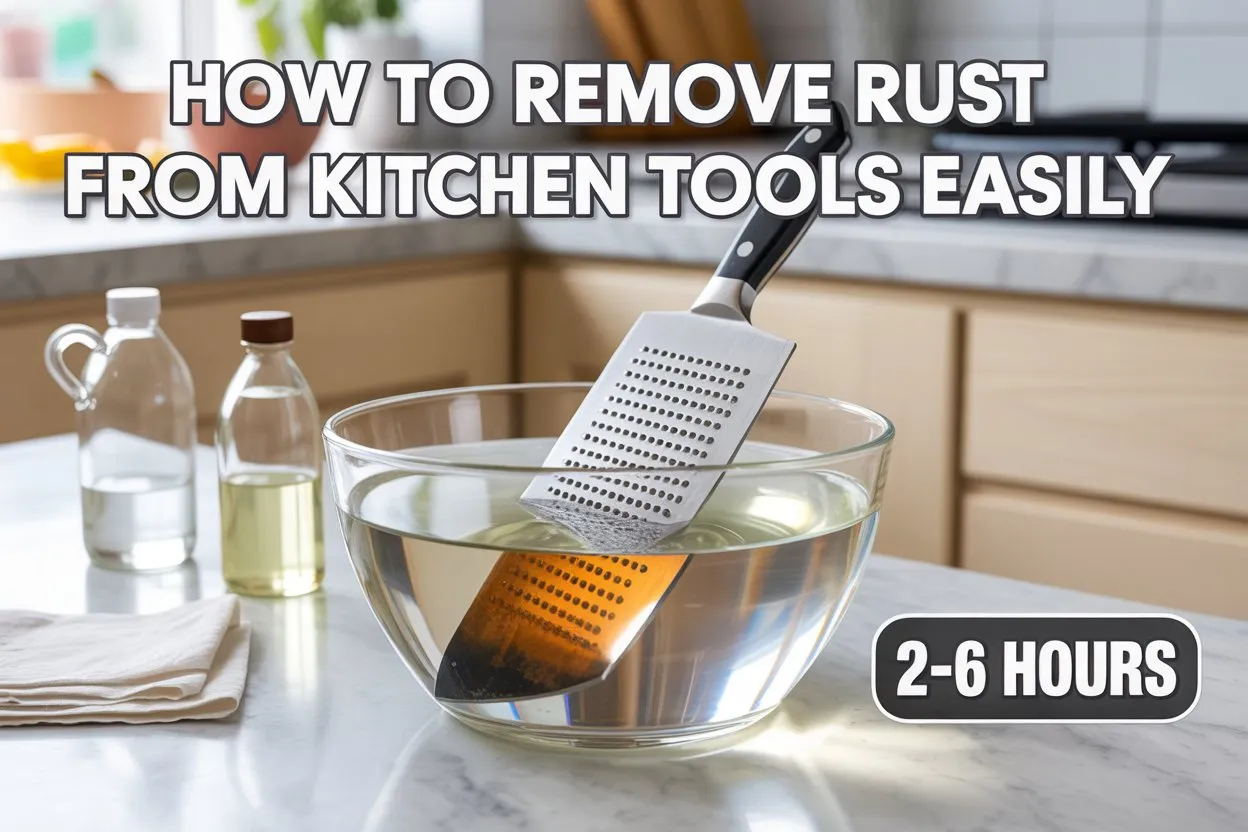
Simple and proven ways on how to remove rust from kitchen tools using safe household items. Learn fast methods, prevention tips, and care steps that actually work for everyday kitchens.
Rust on kitchen tools can feel frustrating. One day your knife, grater, or pan looks fine. A few days later, brown spots appear. Many people think rust means the tool is ruined. That is not true. With the right steps, you can clean rust at home and make your tools safe and useful again. This guide explains how to remove rust from kitchen tools using easy, low cost methods. You do not need special products or hard work. I have used many of these methods myself in home kitchens, and they work well when done with care. The focus here is simple words, clear steps, and real help you can trust.
As food safety matters, cleaning rust is not only about looks. Rust can change taste and damage metal over time. Learning how to remove rust from kitchen tools also helps your tools last longer and saves money.
“A clean kitchen starts with cared-for tools. Rust removal is part of daily kitchen care.”
Sarah Milton, Home Care Writer

Why Kitchen Tools Get Rusty
Rust forms when iron or steel meets water and air for long periods. Many kitchen tools contain metal that reacts this way. Even stainless steel can rust if not dried well.
Common reasons include leaving tools wet, storing them in damp places, or washing and not drying them fully. Salt and food acids can also speed up rust.
Knowing the cause helps you stop rust in the future. But first, you need to remove what is already there.
Tools and Items You Need Before You Start
Before learning how to remove rust from kitchen tools, gather basic items. Most are already in your kitchen.
Common Household Items for Rust Removal
| Item | Why It Works |
|---|---|
| Baking soda | Gentle scrub that lifts rust |
| White vinegar | Breaks rust with acid |
| Lemon juice | Natural acid for light rust |
| Salt | Adds scrubbing strength |
| Old toothbrush | Reaches small spots |
| Soft cloth | Safe drying and polishing |
These items are safe and easy to use. No harsh chemicals are needed.
How to Remove Rust From Kitchen Tools Using Baking Soda
Baking soda works best for light to medium rust. It is safe and gentle, so it is great for daily kitchen tools.
First, rinse the tool with water and shake off extra drops. Mix baking soda with a little water to form a thick paste. Spread the paste over rusty areas. Let it sit for at least one hour. For heavy rust, leave it longer.
After resting, scrub with a toothbrush or soft pad. Use slow, steady strokes. Rinse well and dry fully with a cloth. This method is simple and safe for knives, peelers, and metal lids.
This is one of the most trusted ways on how to remove rust from kitchen tools without damage.
Removing Rust With Vinegar Soak Method
White vinegar works well for strong rust. It breaks rust down and makes scrubbing easier. Place the tool in a bowl and pour enough vinegar to cover rusty areas. Let it soak for two to six hours. Do not leave knives too long as edges can dull. After soaking, scrub gently. Rust should come off easily. Rinse with water and dry at once. Never air dry.

Vinegar Soak Time Guide
| Tool Type | Soak Time |
|---|---|
| Knife | 1 to 2 hours |
| Pan | 3 to 6 hours |
| Grater | 2 to 4 hours |
Vinegar is a strong helper when learning how to remove rust from kitchen tools that have not been cleaned in a while.
“Natural acids like vinegar can clean rust safely if used with patience.”
Daniel Cross, Kitchen Maintenance Expert
Lemon and Salt Method for Light Rust
This method works best for small rust spots. It is gentle and smells fresh.
Sprinkle salt over the rusty area. Squeeze lemon juice on top until wet. Let it sit for two hours in a sunny spot if possible. The mix helps break rust.
Scrub lightly with a cloth or brush. Rinse and dry fully. This is a good option for tools you use daily.
How to Remove Rust From Kitchen Tools With Potato Trick
A raw potato contains acid that can help with rust. Cut a potato in half. Dip the cut side in baking soda or salt. Rub it on rusted areas.
Let the juice sit for one hour. Scrub lightly and rinse. Dry well. This method is slow but safe and good for delicate tools.
Cleaning Rust From Cast Iron Tools
Cast iron needs special care. Do not soak it in water for long. Use coarse salt and a little oil. Scrub rust using a cloth or brush. Wipe clean and rinse fast. Dry on low heat. Add a thin oil layer after drying. This keeps cast iron strong and safe.
What to Avoid While Removing Rust
Some actions can harm your tools. Avoid steel wool on thin tools. Do not use bleach. Never leave tools wet after cleaning. Do not mix cleaning acids together. Safe steps protect your tools and your health.
How to Prevent Rust After Cleaning
Once you learn how to remove rust from kitchen tools, prevention is key. Always dry tools after washing. Store them in dry places. Use paper towels to absorb moisture in drawers. Lightly oil tools used less often. These habits reduce rust risk.
Best Storage Tips to Stop Rust
| Storage Tip | Benefit |
|---|---|
| Dry drawer | Stops moisture build up |
| Silica packs | Absorbs damp air |
| Tool racks | Improves airflow |
Good storage keeps your tools clean longer.
“Prevention is easier than cleaning. Dry tools last longer.”
Linda Harper, Home Organizer

Safety and Food Use After Rust Removal
After cleaning, wash tools with mild soap and water. Rinse well. Dry fully. Check for deep pits. If metal flakes remain, replace the tool.
Safety matters in food use.
Frequently Asked Questions
Can I still use tools after removing rust?
Yes, if rust is fully removed and the surface is smooth and clean.
Is rust harmful if swallowed?
Small amounts are not toxic, but rust can damage tools and affect food taste.
How often should I check tools for rust?
Check monthly, or weekly in humid areas.
Can stainless steel rust?
Yes, if moisture stays on it for long periods.
What is the fastest method?
Vinegar soak works fastest for heavy rust.
Conclusion
Rust does not mean your kitchen tools are finished. With patience and simple items, you can clean and protect them again. Learning how to remove rust from kitchen tools saves money and keeps your kitchen safe. Use baking soda for light rust. Vinegar for strong rust. Lemon and salt for quick touch ups. Dry and store tools well after every wash. These small steps make a big difference.
Related posts
 Which kitchen gadgets save the most time
If you are wondering Which kitchen gadgets save the most time, the clear answer includes food processors, air fryers, pressure cookers, electric kettles, and dishwashers that…
 What kitchen tools do professional chefs use at home
Many home cooks ask what kitchen tools do professional chefs use at home, and the answer is simple: sharp chef’s knives, cast iron pans, stainless steel…
 Biolomix Kitchen Food Stand Mixer
Looking for a reliable mixer for daily baking? The Biolomix Kitchen Food Stand Mixer offers strong mixing, multiple speed levels, and easy cleaning, making it a…