
How To Prevent Cakes From Sticking To The Pan
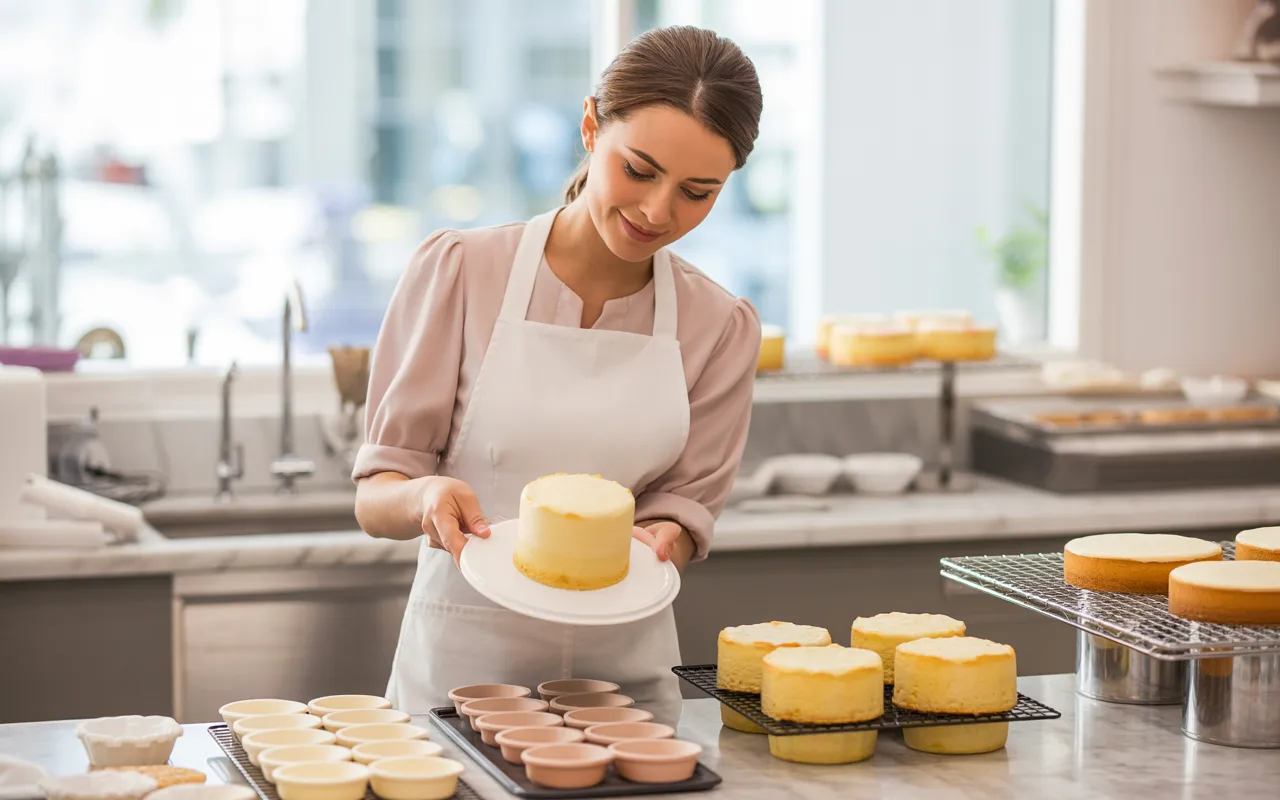
Learn proven baking tips that answer How To Prevent Cakes From Sticking To The Pan with simple pan prep, greasing methods, lining tricks, and baking habits that actually work every time.
Few baking moments feel as disappointing as turning a cake pan upside down and watching nothing happen. You tap. You shake. Then you lift the pan and see half the cake stuck inside. This problem is common, even for people who bake often. The good news is that it can be avoided with simple steps that work in home kitchens. This guide focuses on How To Prevent Cakes From Sticking To The Pan using clear, practical methods. You do not need fancy tools or expensive pans. You need the right prep, the right timing, and a basic knowledge of how cakes behave while baking and cooling. Everything here comes from real kitchen experience and tested baking habits.
By the end, you will feel calm and confident every time you release a cake from its pan.
“Good baking is about small habits done well, not special tricks.”
Sarah Mitchell, Home Baking Instructor
Why Cakes Stick to Pans
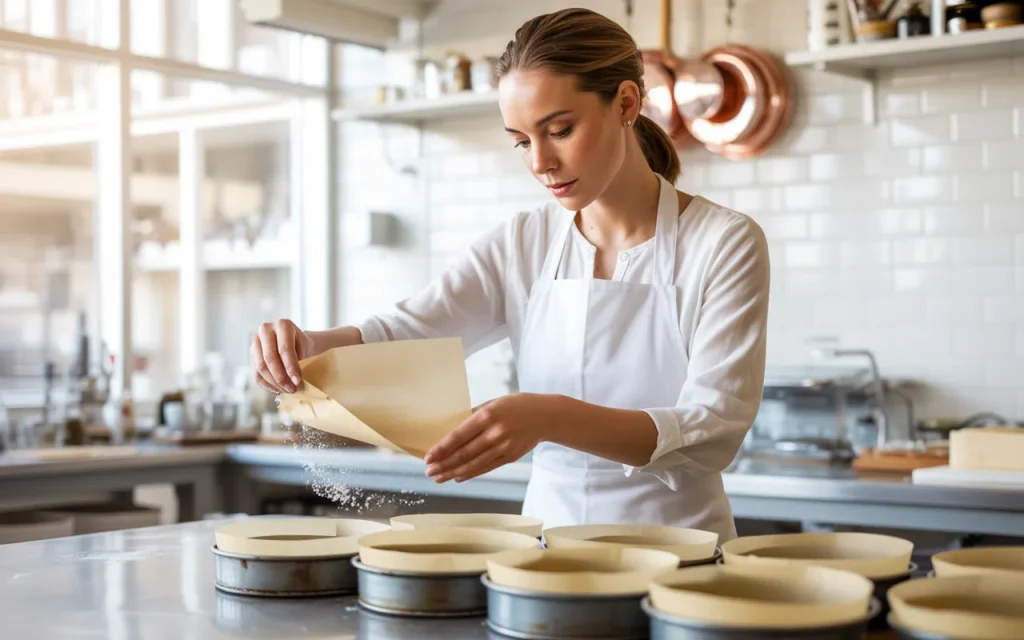
Cakes stick for a few clear reasons. Batter bonds to the pan when heat, sugar, and moisture mix. As the cake bakes, sugars melt and can glue the crumb to bare metal. Protein in eggs also tightens and clings to rough surfaces.
Another reason is skipping prep or doing it in a rush. Even experienced bakers can forget one step and pay the price later. Pan material, batter type, and cooling time all play a role.
Knowing why cakes stick makes it easier to stop the problem before it starts. This is the first step in learning How To Prevent Cakes From Sticking To The Pan in a reliable way.
Choosing the Right Cake Pan
Pan Material Matters
Not all pans behave the same way in the oven. Some release cakes easily, while others need extra care.
| Pan Type | Stick Risk | Notes |
| Aluminum | Low | Heats evenly and releases well |
| Nonstick | Very Low | Needs gentle care to protect coating |
| Stainless Steel | High | Needs full prep every time |
| Glass | Medium | Cakes cling if not lined |
Aluminum pans are popular because they heat evenly and respond well to proper greasing. Nonstick pans help, but they still need light grease. Stainless steel pans demand extra prep, especially for sugar heavy cakes.
Pan Condition
Old pans with scratches can grab batter. Tiny grooves hold crumbs and sugar. If a pan looks rough inside, line it fully or save it for bread instead of cake.
Greasing the Pan Correctly
Best Greasing Options
Grease creates a barrier between batter and metal. Choose a grease that fits your recipe.
| Grease Type | Best For | Tip |
| Butter | Flavor and light crust | Dust with flour |
| Oil | Simple cakes | Spread evenly |
| Baking spray with flour | Quick prep | Shake well first |
Butter adds flavor but must cover every inch. Oil spreads well but needs flour for extra protection. Baking spray with flour works fast but should be used lightly.
How to Grease Step by Step
Start with a clean, dry pan. Use a paper towel or pastry brush. Coat the bottom first, then sides, then corners. Press grease into seams and edges. If the recipe calls for flour, add a spoon, tilt the pan, and tap out the extra.
This step alone solves many problems related to How To Prevent Cakes From Sticking To The Pan.
Lining the Pan the Right Way
Parchment Paper Basics
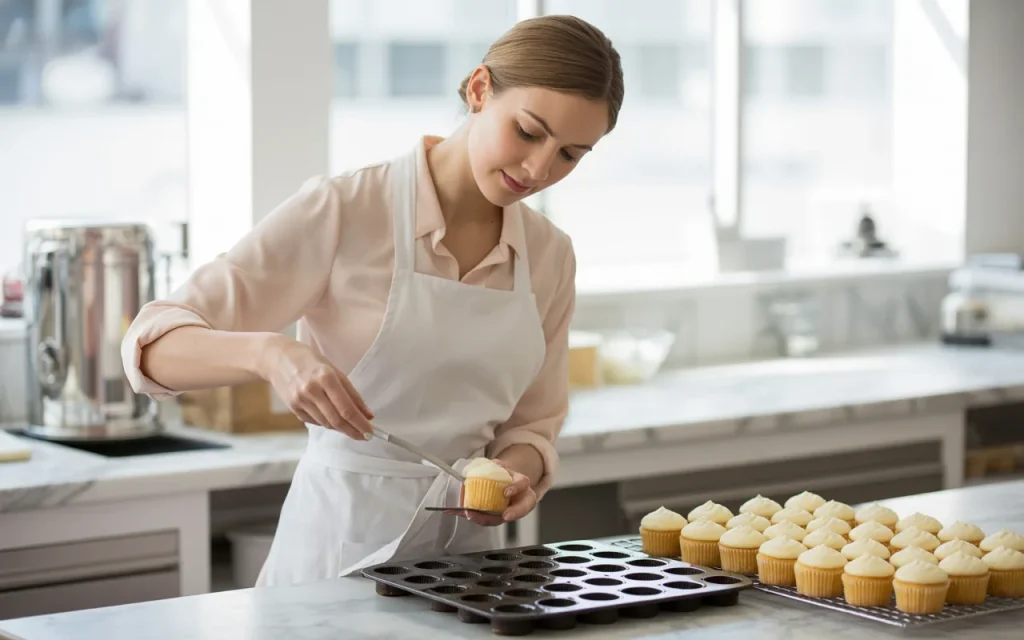
Parchment paper is one of the most reliable tools in baking. It creates a clean release and protects delicate cakes.
Cut a circle for round pans or a rectangle for square pans. Place it on the greased bottom, then grease the paper lightly. This double layer works well for soft cakes and high sugar batters.
When to Line the Sides
Some cakes rise high and cling as they bake. Lining the sides helps with tall sponge cakes and layered cakes.
Use parchment strips that extend slightly above the pan edge. This also helps cakes bake evenly.
Learning when and how to line pans is a key part of How To Prevent Cakes From Sticking To The Pan.
Preparing Different Cake Types
Butter Cakes
Butter cakes have sugar and fat that caramelize. They need grease and flour or parchment. Never skip both.
Sponge Cakes
Sponge cakes rely on air. Many recipes ask for ungreased sides so the cake can climb. In these cases, line only the bottom and release the sides with a thin knife.
Chocolate Cakes
Chocolate cakes often contain more sugar and moisture. Use parchment and grease well. Let them cool longer before release.
Each cake style has its own needs. Adjusting prep based on recipe type improves success with How To Prevent Cakes From Sticking To The Pan.
Baking Temperature and Timing
Why Heat Control Helps Release
Baking at the correct temperature allows the cake to set properly. Too hot and sugars burn and stick. Too cool and the cake stays wet and fragile.
Always preheat the oven. Use an oven thermometer if needed. Follow the recipe temperature closely.
Doneness Matters
An underbaked cake sticks more. Test with a toothpick or gentle press. The center should spring back.
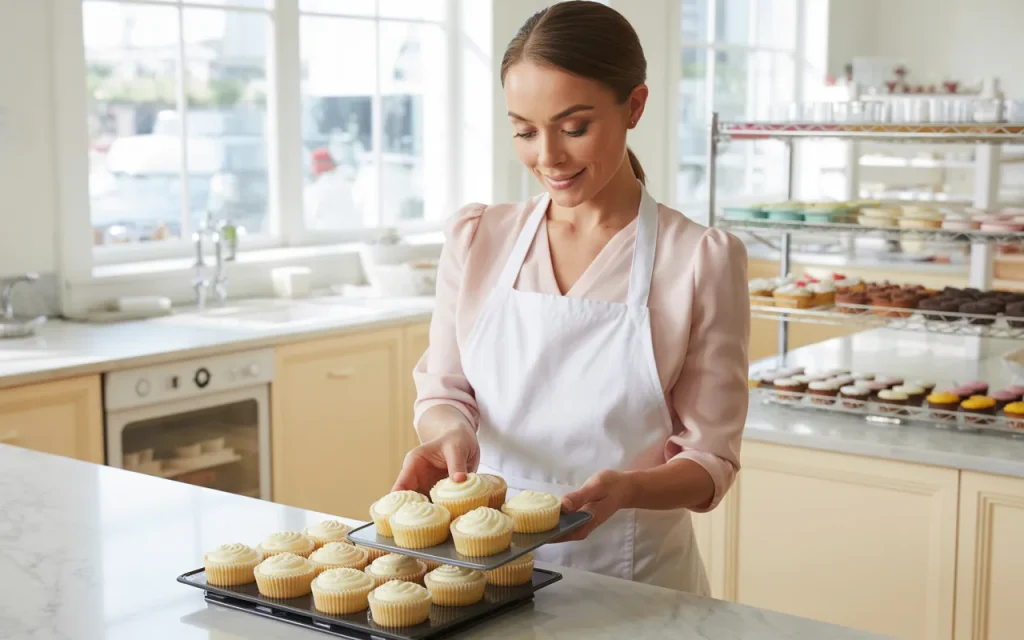
Once baked, remove the pan from the oven and place it on a rack.
Cooling the Cake the Right Way
Cooling time is often ignored, yet it matters a lot.
Let the cake rest in the pan for 10 to 15 minutes unless the recipe says otherwise. This allows the crumb to firm up while steam loosens the edges.
Run a thin knife around the sides, then place a rack on top and flip gently. Lift the pan slowly.
Too much cooling can also cause sticking as sugar hardens. Timing matters.
“Most stuck cakes happen because people rush or wait too long.”
Daniel Reyes, Pastry Chef
Cooling is a major factor in How To Prevent Cakes From Sticking To The Pan.
Common Mistakes That Cause Sticking
Many cake problems come from small habits.
Using too little grease is a common one. Another is forgetting corners and edges. Skipping parchment on high sugar recipes also leads to trouble.
Using damaged pans or baking spray without flour can also cause sticking. Cleaning pans with harsh tools can remove protective layers.
Fixing these habits leads to consistent results.
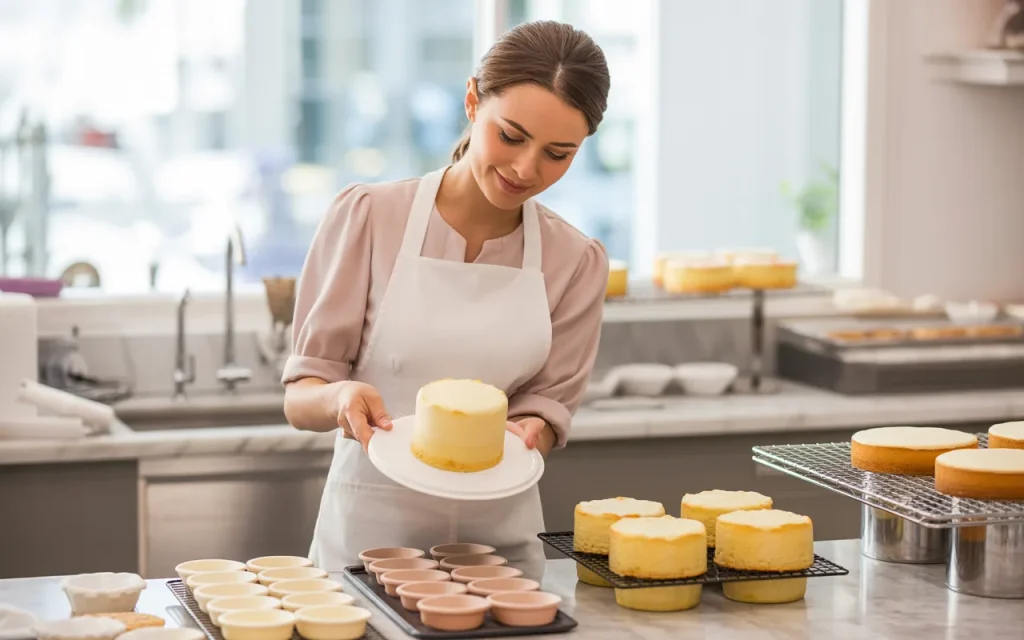
Extra Tips from Real Bakers
Dusting pans with cocoa powder works well for chocolate cakes. It prevents white marks and adds flavor.
Chilling the cake for a few minutes after cooling can help release stubborn cakes.
Silicone pans need support. Place them on a baking sheet and still grease lightly.
These extra steps support the main goal of How To Prevent Cakes From Sticking To The Pan.
Tools That Help Without Fuss
You do not need many tools, but a few help.
A pastry brush spreads grease evenly. Parchment paper saves stress. A thin offset spatula helps release edges cleanly.
Keep tools simple and clean.
Frequently Asked Questions
Why does my cake stick even after greasing?
This can happen if grease was uneven or the pan surface is worn. Add parchment for better protection.
Can I use oil instead of butter?
Yes. Oil works well, especially with flour or parchment. Spread it evenly.
Should I always flour the pan?
Flour helps most cakes. Some sponge cakes skip flour on the sides by design.
How long should I wait before removing the cake?
Usually 10 to 15 minutes. Check the recipe for guidance.
Does pan color matter?
Dark pans absorb more heat and may cause sticking. Light aluminum pans are more forgiving.
Final Thoughts
Baking should feel rewarding, not stressful. Cakes sticking to pans is a common problem, but it is easy to fix with steady habits and basic tools. From choosing the right pan to cooling at the right time, each step plays a role.
Once you practice these methods, How To Prevent Cakes From Sticking To The Pan becomes second nature. You will flip pans with confidence and serve cakes that look as good as they taste.
Related posts
 Which kitchen gadgets save the most time
If you are wondering Which kitchen gadgets save the most time, the clear answer includes food processors, air fryers, pressure cookers, electric kettles, and dishwashers that…
 What kitchen tools do professional chefs use at home
Many home cooks ask what kitchen tools do professional chefs use at home, and the answer is simple: sharp chef’s knives, cast iron pans, stainless steel…
 Biolomix Kitchen Food Stand Mixer
Looking for a reliable mixer for daily baking? The Biolomix Kitchen Food Stand Mixer offers strong mixing, multiple speed levels, and easy cleaning, making it a…