
How to Clean and Store Kitchen Tools Easily

Clear answers on how to clean and store kitchen tools for daily home use. Learn safe washing, drying, and smart storage habits that keep tools clean, fresh, and long-lasting.
A clean kitchen feels calm and safe. It helps food taste better. It also helps tools last longer. Many people buy good tools but forget how to care for them each day. This guide shares simple habits that work in real homes. You will learn how to clean and store kitchen tools with ease and care. The tips here fit busy lives and small kitchens too.
Good care stops germs. It also stops rust, stains, and bad smells. You do not need fancy items or strong cleaners. You only need clear steps and steady habits. This article uses plain words and real advice. Everything is easy to follow and safe for daily use.
“A clean tool is a safe tool. Care today saves money tomorrow.”
Author: Lina Brooks
Why Proper Cleaning and Storage Matter
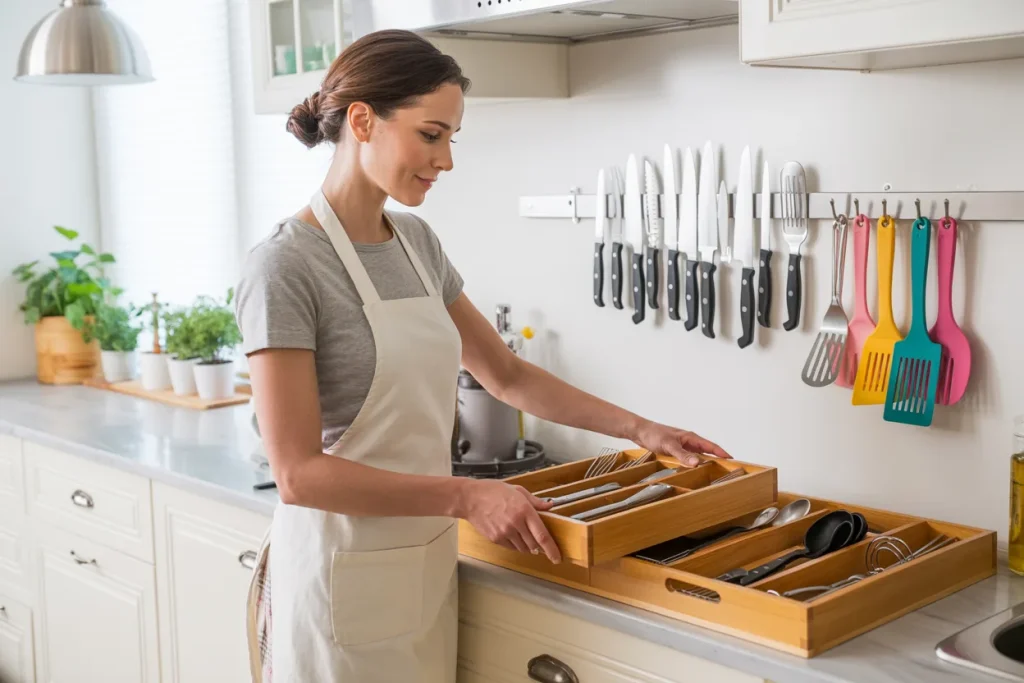
Kitchen tools touch raw food, heat, oil, and water. These things leave marks and germs. If tools stay dirty, they can make food unsafe. If tools stay wet, they can rust or grow mold.
Cleaning helps tools work well. Storage keeps them ready for use. Together, they help your kitchen stay neat. You also save time since tools stay where you need them.
Here are key reasons this care matters:
Stops food germs from spreading
Keeps tools sharp and smooth
Saves money by avoiding damage
Makes cooking faster and safer
These habits also help your kitchen feel calm. A tidy space makes cooking more fun.
Basic Rules Before You Start
Before cleaning any tool, pause for a moment. Look at the tool and its material. Wood, steel, plastic, and silicone need different care. One rule does not fit all.
Always read labels if present. Some tools need hand wash only. Some can go in a machine. Heat can bend plastic and dull blades. Water can crack wood.
Simple rules to follow:
-
Clean soon after use
-
Use warm water, not very hot
-
Dry fully before storage
-
Store in a clean, dry place
These rules help avoid damage and keep tools safe.
How to Clean Common Kitchen Tools
This section explains daily cleaning. It covers tools used at home every day. These steps are safe and simple.
Knives and Cutlery
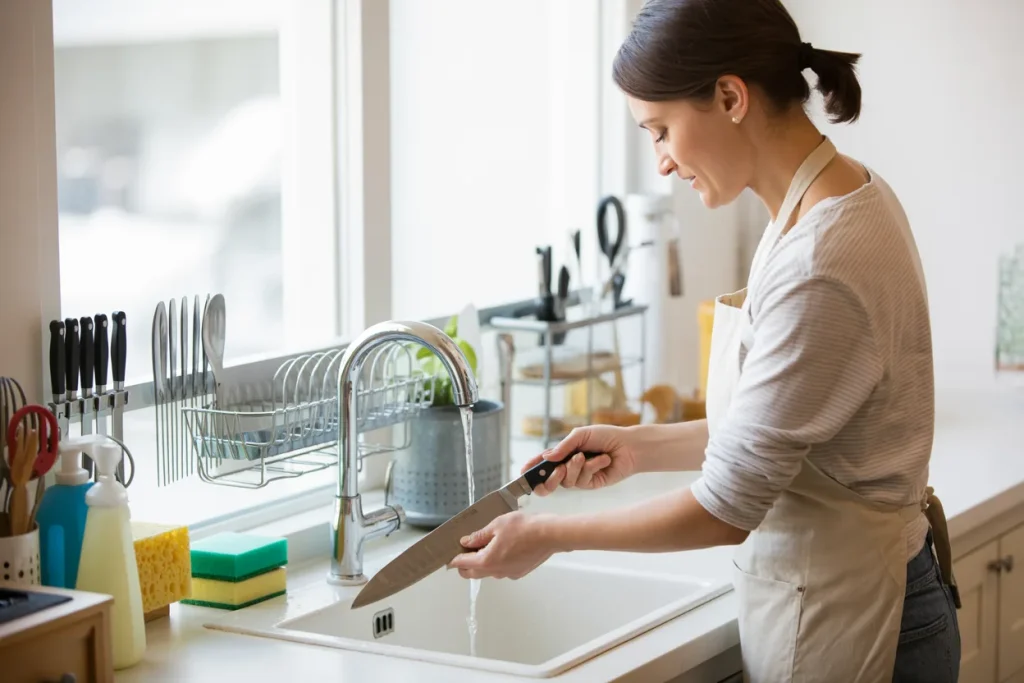
Knives need gentle care. Sharp edges can dull fast if treated wrong. Wash knives by hand using warm water and mild soap. Wipe from spine to edge, never the other way.
Dry at once with a clean cloth. Do not leave knives to air dry. Water spots can lead to rust.
Avoid sinks full of water. Hidden blades can cut hands.
Cutting Boards
Cutting boards collect food bits. Wood boards need special care. Plastic boards are easier to clean but still need care.
Wash boards with warm water and soap. Scrub gently. Rinse well. Dry upright so air can pass.
For deep smells, rub lemon and salt on the board. Rinse and dry.
Pots and Pans
Let pans cool before washing. Sudden cold water can warp them. Use soft sponges. Avoid steel scrubbers on nonstick surfaces.
For stuck food, soak with warm water. Add a drop of soap. Wait ten minutes, then scrub.
Dry pans fully before stacking.
Safe Cleaning Methods by Material
Different materials react in different ways. The table below shows safe methods.
Cleaning Methods by Tool Material
| Material | Best Cleaning Method | What to Avoid |
|---|---|---|
| Stainless | Warm water, mild soap | Long soaking |
| Wood | Quick wash, air dry | Dishwashers |
| Plastic | Warm water, gentle scrub | Very high heat |
| Silicone | Hand wash or machine top | Sharp scrub tools |
These steps protect tools and keep them fresh.
Deep Cleaning for Better Hygiene
Daily washing is good, but deep cleaning helps too. Do this once a week or as needed. Deep cleaning removes hidden germs and smells.
Mix warm water with baking soda. Soak tools for ten minutes. Scrub gently. Rinse well.
For metal tools, vinegar helps remove stains. Use a soft cloth. Rinse and dry at once.
Never mix vinegar with bleach. Keep cleaners simple and safe.
“Simple care done often beats rare deep cleaning.”
Author: Mark Hill

Drying Tools the Right Way
- Drying is as important as washing. Wet tools can grow mold or rust. Air drying works, but only with good airflow.
- Use a clean towel to dry tools by hand. Pay attention to joints and handles. These spots trap water.
- Use drying racks that allow air to pass. Do not stack wet tools. Give each piece space.
- Good drying habits keep tools strong and safe.
Smart Storage Tips for Daily Use
Storage keeps tools clean between uses. It also saves time during cooking. A good system fits your space and habits.
Drawer Storage
Use drawer dividers. They keep tools apart and easy to grab. Place sharp tools in blade guards. Do not overcrowd drawers. Tools should lie flat.
Counter Storage
Some tools stay on the counter. Use clean holders. Wash holders often. Keep tools away from sinks and stoves. Heat and water cause damage.
Wall and Rack Storage
Wall hooks save space. They keep tools dry and visible. Make sure hooks are strong and clean. Magnetic strips work for knives. Place them high and away from kids.
Storage Solutions by Tool Type
The table below shows safe storage ideas.
Storage Ideas for Kitchen Tools
| Tool Type | Best Storage Method |
|---|---|
| Knives | Drawer guard or wall |
| Utensils | Holder or drawer tray |
| Small gadgets | Labeled drawer box |
| Bakeware | Vertical rack |
These ideas help tools stay clean and easy to find.
How to Clean and Store Kitchen Tools Safely
This section brings steps together. Learning how to clean and store kitchen tools helps your kitchen stay healthy. Clean tools after use. Dry them well. Store them in clean spaces. Avoid damp cabinets. Use shelf liners if needed. Check tools once a month for rust or cracks. This habit protects food and tools at the same time.
Common Mistakes to Avoid
Many people make small mistakes that harm tools. Avoid these to keep tools in good shape.
Leaving tools wet is a big issue. Stacking wet tools traps moisture. Using harsh cleaners also causes damage.
Avoid dishwashers for wood and sharp blades. Heat and water pressure can ruin them.
Slow and gentle care works best.
Seasonal and Long Term Storage
Some tools are not used daily. These need extra care before storage.
Clean and dry fully. Wrap in clean cloth or paper. Store in a dry box.
For long breaks, add silica packs to absorb moisture. Check stored tools every few months.
This care helps tools last for years.
“Tools last longer when stored with care and thought.”
Author: Elena Cruz
How to Clean and Store Kitchen Tools in Small Spaces
Small kitchens need smart ideas. Use vertical space. Use drawer organizers. Keep only tools you use often.
Clean tools right after use. This avoids pileups. Dry and store right away.
Knowing how to clean and store kitchen tools in tight spaces saves time and stress.
Health Benefits of Clean Tools
Clean tools lower the risk of illness. Germs from raw food can spread fast. Proper cleaning stops this.
Dry storage stops mold. Safe storage stops cuts and spills.
A clean kitchen supports better meals and peace of mind.
Environmental Benefits of Proper Care
Good care reduces waste. Tools last longer, so you buy less. You also use fewer harsh cleaners.
Simple soap and water work well. This helps the home and the planet.
Learning how to clean and store kitchen tools supports a greener lifestyle.
How to Build a Simple Routine
Routines make care easy. Link cleaning to cooking. Wash tools as you cook. Dry them while food rests.
Set a weekly check time. Look at tools. Clean storage areas.
This steady habit keeps kitchens ready every day.
Frequently Asked Questions
H3: How often should kitchen tools be cleaned?
Clean tools after each use. Deep clean once a week for best results.
H3: Can I store tools while slightly damp?
No. Always dry tools fully before storage to stop rust and mold.
H3: Are natural cleaners safe for tools?
Yes. Mild soap, baking soda, and vinegar work well for most tools.
H3: What is the best way to store knives?
Use blade guards, wall strips, or drawer trays to protect edges and hands.
H3: How to clean and store kitchen tools made of wood?
Wash quickly, dry at once, and store in a dry place with airflow.
Conclusion
A clean kitchen starts with cared for tools. Simple habits make a big difference. Wash tools soon after use. Dry them well. Store them with care. These steps protect health, save money, and make cooking easier. Learning how to clean and store kitchen tools is not hard. It just needs steady practice. Start small. Build a routine that fits your home. Your tools will last longer, and your kitchen will feel better every day.
Related posts
 Which kitchen gadgets save the most time
If you are wondering Which kitchen gadgets save the most time, the clear answer includes food processors, air fryers, pressure cookers, electric kettles, and dishwashers that…
 What kitchen tools do professional chefs use at home
Many home cooks ask what kitchen tools do professional chefs use at home, and the answer is simple: sharp chef’s knives, cast iron pans, stainless steel…
 Biolomix Kitchen Food Stand Mixer
Looking for a reliable mixer for daily baking? The Biolomix Kitchen Food Stand Mixer offers strong mixing, multiple speed levels, and easy cleaning, making it a…