
How To Season A Cast Iron Baking Pan
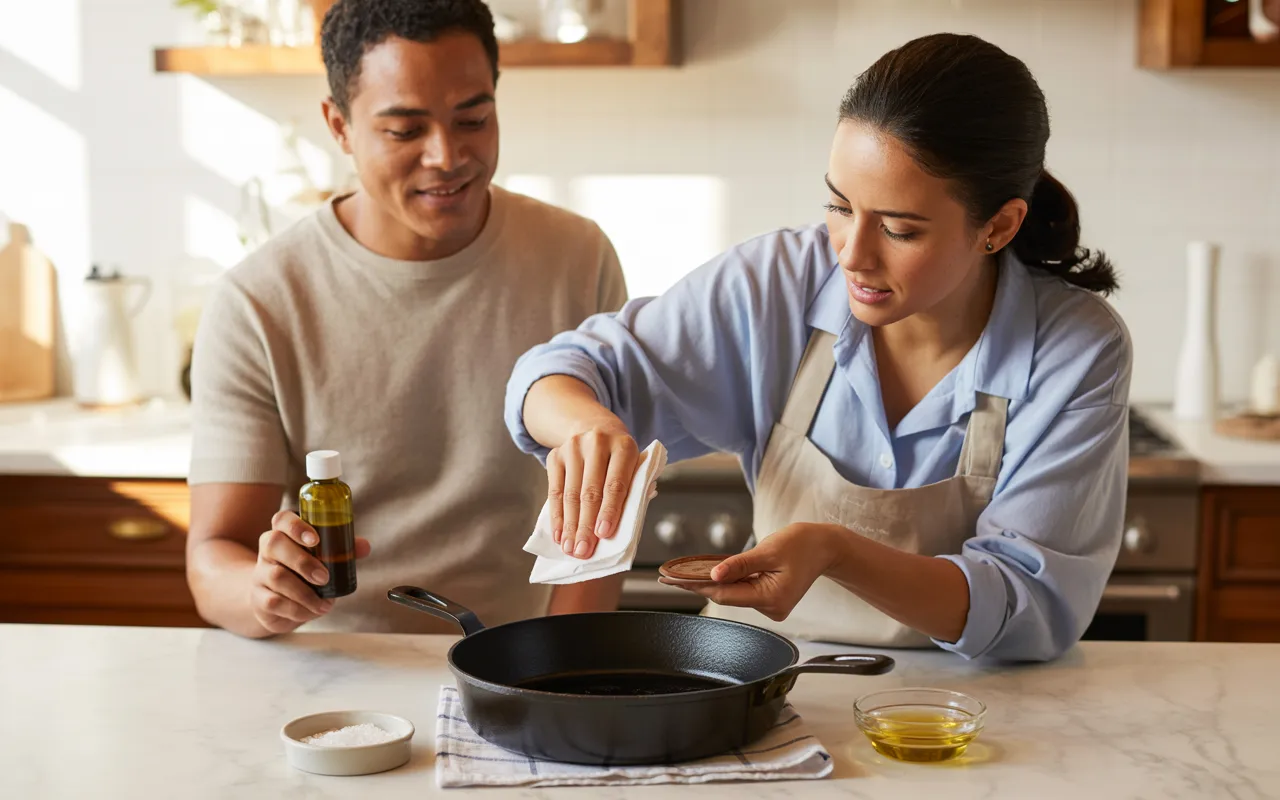
Learn How To Season A Cast Iron Baking Pan step by step so it becomes non-stick, rust-free, and long-lasting. This guide explains the exact method, oils to use, oven tips, and care habits for perfect baking results every time.
Seasoning a cast iron baking pan is one of those kitchen skills that looks confusing at first but becomes simple once you do it once or twice. If you bake bread, pizza, brownies, or even roasted vegetables, a well-seasoned pan changes the whole experience. Food releases easily, flavors improve, and the pan lasts for decades.
This guide explains How To Season A Cast Iron Baking Pan in a clear, friendly way. You will learn why seasoning matters, which oil works best, how long it takes, and how to keep the surface smooth over time. Everything here is based on real kitchen experience, not theory.
As cookbook author Melissa Clark says,
“Cast iron rewards patience. Treat it well, and it will take care of you for life.”
What Seasoning Really Means
Seasoning is not about spices or salt. It is a thin layer of oil baked onto the iron surface. Heat turns oil into a hard, slick coating through a natural process. This coating protects the pan and helps food slide off instead of sticking.
When people ask How To Season A Cast Iron Baking Pan, they are really asking how to build this protective layer correctly. Once done right, you do not need to repeat the full process often.
Why Cast Iron Needs Seasoning
Cast iron is raw metal. Without seasoning, it rusts fast and grabs onto food. Seasoning solves three big problems.
-
It prevents rust by sealing the metal
-
It creates a natural non-stick surface
-
It improves flavor over time
A baking pan without seasoning will struggle with cakes, bread, and sticky batters. A seasoned pan works like a charm.
Tools and Ingredients You Need
You do not need fancy gear. Most items are already in your kitchen.
Basic Supplies Checklist
| Item | Purpose |
|---|---|
| Cast iron baking pan | The pan you want to season |
| Mild soap | For first-time cleaning |
| Soft brush or sponge | Removes residue |
| Paper towels or cloth | Drying and oiling |
| Cooking oil | Creates seasoning layer |
| Oven | Provides even heat |
Best Oils for Seasoning
Different oils work, but some give better results.
| Oil Type | Smoke Point | Result |
|---|---|---|
| Canola oil | High | Smooth and stable |
| Vegetable oil | Medium-high | Easy and affordable |
| Grapeseed oil | High | Clean finish |
| Flaxseed oil | Low | Hard layer but flakes for some users |
For beginners, canola or vegetable oil works best.
Step-by-Step: How To Season A Cast Iron Baking Pan
This section is the heart of the guide. Follow it once, and you will know How To Season A Cast Iron Baking Pan with confidence.
Clean the Pan
If the pan is new, wash it with warm water and mild soap. This is one of the rare times soap is fine. Manufacturers often coat new pans with wax. Remove all of it. If the pan is old or rusty, scrub gently until clean. Dry it fully. Water left behind can cause rust.
Apply a Thin Layer of Oil
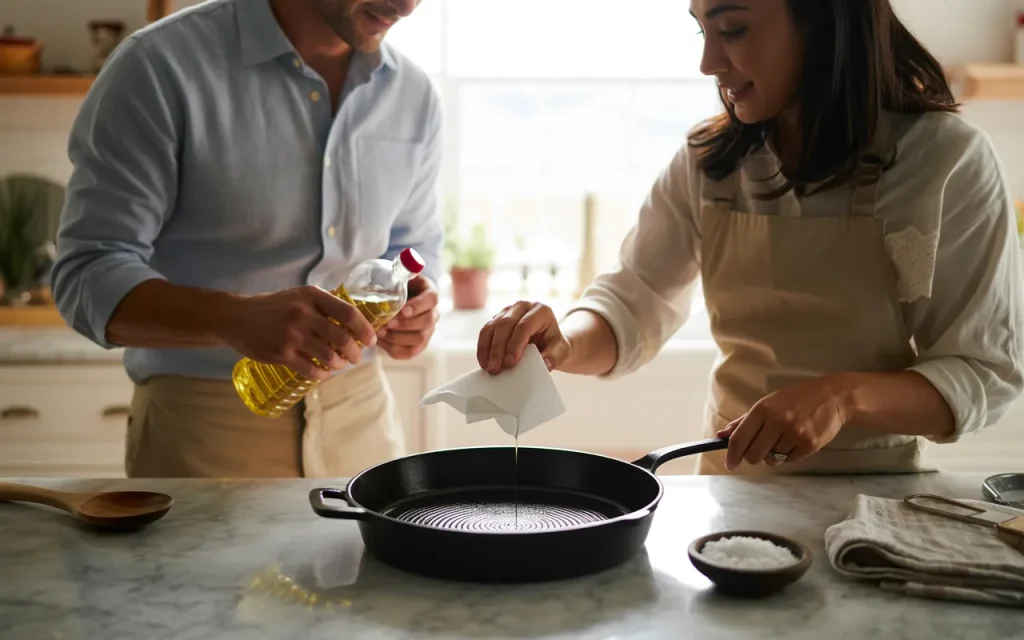
Pour a small amount of oil onto the pan. Use a cloth or paper towel to rub oil over every surface. Include corners, sides, and even the bottom.
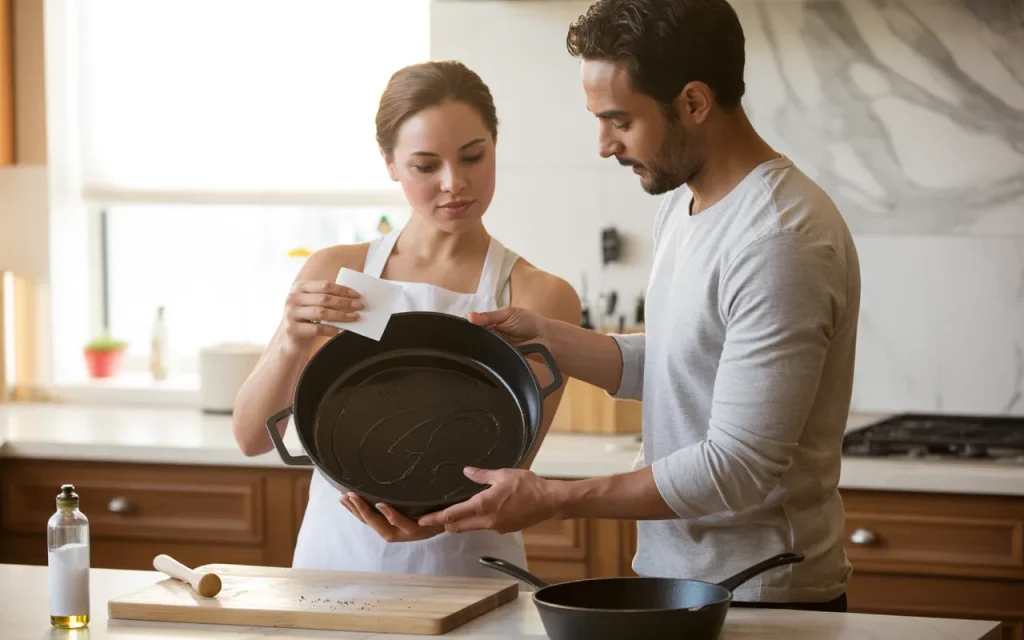
Now wipe again with a clean towel. The pan should look shiny but not wet. Too much oil leads to sticky spots.
Chef Kenji Lopez-Alt explains it well:
“The secret to good seasoning is less oil than you think you need.”

Heat the Pan in the Oven
Place the pan upside down on the middle rack. Put foil on the rack below to catch drips.
Set the oven to 450°F. Let it bake for one hour.
Heat allows oil to bond with the iron. This creates the seasoning layer.
Cool Slowly
Turn off the oven and let the pan cool inside. Sudden cooling can stress the metal.
Once cool, your pan is seasoned and ready to use.
How Many Times Should You Season It?
One round works for most baking needs. For a smoother surface, repeat the process two or three times. Each layer builds strength.
Do not rush. One layer per day is enough.
If you are serious about learning How To Season A Cast Iron Baking Pan properly, patience pays off.
Using Your Seasoned Baking Pan
After seasoning, your pan improves with use. Baking oils, butter, and fats keep adding to the surface.
Best Foods for Early Use
-
Cornbread
-
Focaccia
-
Pizza
-
Roasted vegetables
Avoid acidic foods like tomatoes during the first few uses. Acid can weaken a fresh layer.
Food writer Samin Nosrat once said,
“Cast iron is like a good friendship. It grows stronger the more you use it.”
Cleaning After Baking
Cleaning matters just as much as seasoning.
Simple Cleaning Rules
-
Let the pan cool before washing
-
Use warm water and a brush
-
Avoid soaking
-
Dry fully after washing
If food sticks, scrub with coarse salt and a little water. Dry the pan and rub a drop of oil over the surface.
This daily habit keeps seasoning strong.
Common Seasoning Mistakes to Avoid
Many people think they failed, but small errors are usually the cause.
Too Much Oil
Thick oil layers turn sticky instead of smooth. Always wipe excess oil away.
Low Oven Heat
Low heat does not bond oil well. Stay near 450°F.
Skipping the Bottom
Season the whole pan. Moisture reaches the bottom too.
Knowing these points makes How To Season A Cast Iron Baking Pan much easier.
Fixing a Sticky or Rusty Pan
Do not panic if something goes wrong.
Sticky Surface Fix
Bake the pan again at high heat for one hour. This often hardens the oil.
Rust Fix
Scrub rust with steel wool, rinse, dry, and re-season from scratch.
Cast iron is forgiving. Mistakes are part of the learning process.
How Often Should You Re-Season?
You do not need full seasoning often.
-
Light oil after each wash
-
Full oven seasoning once or twice a year
-
Re-season if rust appears
Daily use actually helps more than hurts.
Why Bakers Love Cast Iron
Cast iron baking pans heat evenly. They hold heat longer than aluminum or steel. This leads to better crusts and even baking.
Once you learn How To Season A Cast Iron Baking Pan, it becomes one of the most reliable tools in your kitchen.
Frequently Asked Questions
Can I season a cast iron baking pan without an oven?
Yes. You can use a stovetop, but oven seasoning gives more even results.
Is olive oil good for seasoning?
Olive oil has a lower smoke point. It can work, but neutral oils are easier.
Does seasoning make the pan fully non-stick?
It improves release but does not match synthetic coatings. With use, it gets better.
Can I bake sweet foods after seasoning?
Yes. Seasoning does not affect flavor when done right.
How do I know if seasoning worked?
The surface looks darker, smoother, and slightly shiny.
Conclusion
Learning How To Season A Cast Iron Baking Pan is a skill that pays off for years. It protects your pan, improves baking results, and saves money since cast iron lasts generations. The process is simple: clean, oil lightly, heat, and repeat if needed.
Once seasoned, care becomes easy. Cook, clean gently, dry well, and oil lightly. Over time, the pan develops a surface that feels almost magical.
Related posts
 Which kitchen gadgets save the most time
If you are wondering Which kitchen gadgets save the most time, the clear answer includes food processors, air fryers, pressure cookers, electric kettles, and dishwashers that…
 What kitchen tools do professional chefs use at home
Many home cooks ask what kitchen tools do professional chefs use at home, and the answer is simple: sharp chef’s knives, cast iron pans, stainless steel…
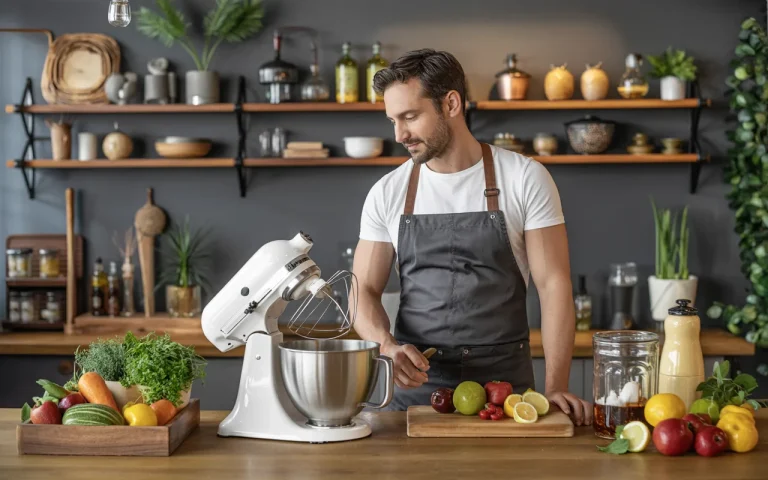 Biolomix Kitchen Food Stand Mixer
Looking for a reliable mixer for daily baking? The Biolomix Kitchen Food Stand Mixer offers strong mixing, multiple speed levels, and easy cleaning, making it a…